K-Quick Talks: Opening for Legends, Building Legacy, and Staying Rooted in the DMV
Kicking off my first interview is DMV based rapper K-Quick

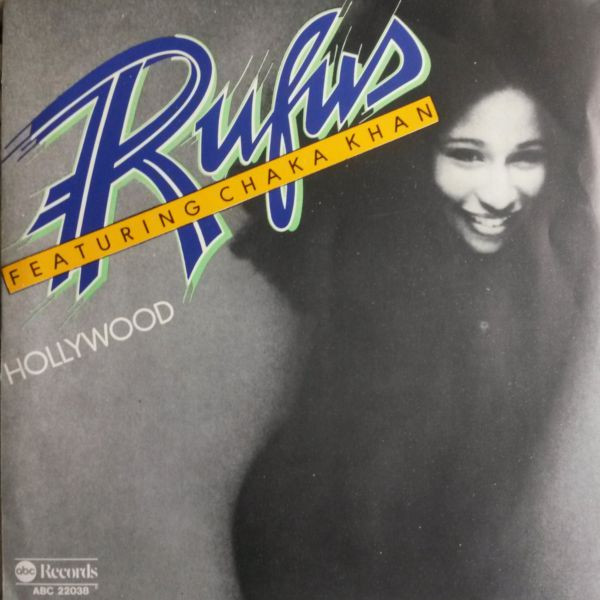
This week for Slow Jam Saturday, I want to revisit 1977 and show some love for “Hollywood” by Rufus featuring Chaka Khan from the group’s fifth studio album, “Ask Rufus.”
At first listen, “Hollywood” sounds like a slick funk jam tailor-made for the dance floor. Tony Maiden’s guitar licks weave with Kevin Murphy’s keyboards, while the rhythm section lays down a groove both infectious and deceptively light. Yet beneath the sheen, the track carries a sobering undercurrent: a critique of fame and the illusion of stardom.
The lyrics portray Hollywood as a dream factory that lures hopefuls with promises of wealth and glamour, only to demand a piece of their soul in return. It’s a place where ambition can turn to exploitation, where identity gets sacrificed in the pursuit of the spotlight. Chaka Khan’s vocal delivery heightens the tension—one moment warm and seductive, the next weary and knowing. She embodies both the allure and the cost of chasing the Hollywood dream.
What makes “Hollywood” powerful is this duality. It grooves hard enough to pull you in, yet the words plant seeds of doubt about what success really means. Rufus avoids bitterness, instead offering a balanced meditation that resonates as much today, in the age of influencer culture and instant celebrity, as it did in the late ’70s.
More than four decades later, “Hollywood” stands as a funky cautionary tale—equal parts party anthem and social commentary. It’s proof of Rufus and Chaka Khan’s ability to craft music that moves the body while engaging the mind.
Final Grade: A
“Hollywood” is available on all streaming platforms.

Kicking off my first interview is DMV based rapper K-Quick
On the morning of February 8, 1977, Tony Kiritsis walked into a mortgage office in Indianapolis convinced the system had finally turned on him. What followed was one of the most unsettling media spectacles of the decade: a 63-hour hostage standoff in which Kiritsis literally wired a sawed-off shotgun to both his victim’s neck and his own chest. It was desperation theater, broadcast live, raw and ugly, and fueled by a man who believed grievance was the same thing as righteousness.

Eric Benét’s holiday album, “It’s Christmas”, finds the four-time Grammy nominee embracing comfort rather than challenge. He delivers a collection that is impeccably sung and tastefully arranged, though it ultimately feels a bit too cautious for an artist of his talent and history.