The revenge film has retained a familiar essence for decades, characterized by themes of blood, betrayal, and inevitable payback. However, “Violent Ends,” written and directed by John-Michael Powell and produced by IFC, takes a different approach by avoiding the rush into violence.
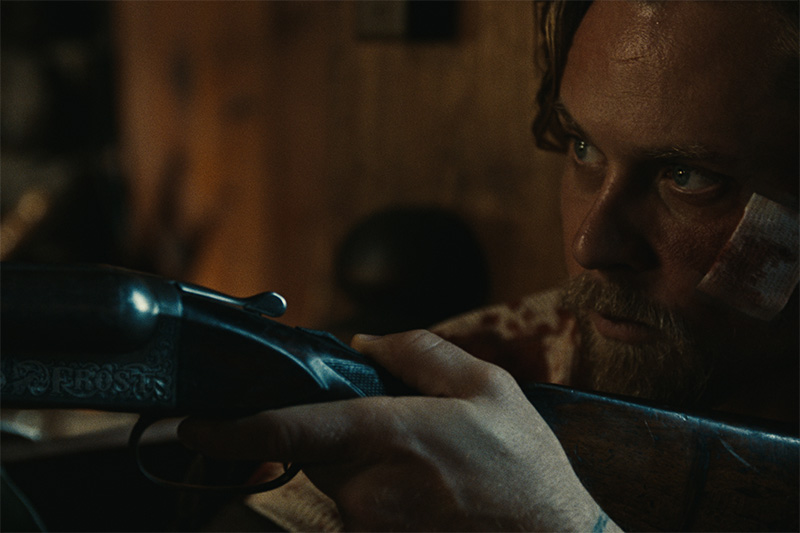
Instead, it builds tension gradually, stretching it like a rubber band on the verge of snapping. When the violence finally occurs, it strikes with such intensity that it makes you flinch. Set in the sweltering backroads of Arkansas in 1992, the film revolves around Lucas Frost, portrayed with surprising depth and grit by Billy Magnussen.
Lucas is a man striving to stay clean in a family entrenched in illegal activities—one side dealing drugs, the other selling cocaine. When his father goes to prison, the uneasy truce within the family unravels into a quiet but seething feud. Lucas has a fiancée he adores, a brother he always protects, and a mother who has spent her life trying to maintain peace. However, that fragile balance shatters after a robbery gone wrong ignites a chain of blood and betrayal.
Magnussen carries the film with strength, his calm demeanor gradually cracking as the violence encroaches on the lives of those he loves. Initially, he moves like a man who believes he can escape his family’s dark past; by the end, he is deeply entrenched in it. His transformation—from hopeful to hollow—is a performance that feels authentic and lived-in.
Powell’s script simmers rather than rushes. The first act resonates with an uneasy calm, filled with dusty sunlight and domestic warmth. By the second act, that peace turns into paranoia and dread. When the third act erupts, it does so without excessive spectacle—just sweat, screams, and the stark sounds of violence piercing the Southern air. Each act of retribution feels personal and almost reluctant, making it resonate even more.
Cinematographer Elijah Guess transforms the landscape into a character of its own—a humid, hostile world where even the sky feels burdened. His camera lingers on small details: trembling hands, flickering porch lights, and the slow drip of blood on concrete. The sound design enhances every shot and stab, turning what could have been mere choreography into profound consequences.
“Violent Ends” isn’t about vengeance as a means of catharsis. Instead, it addresses the decay that results from the belief that violence can ever restore balance. Slow, deliberate, and unforgiving, it presents a Southern tragedy in which its quiet moments bruise before the bullets tear through.
“Violent Ends” opens in theaters today.