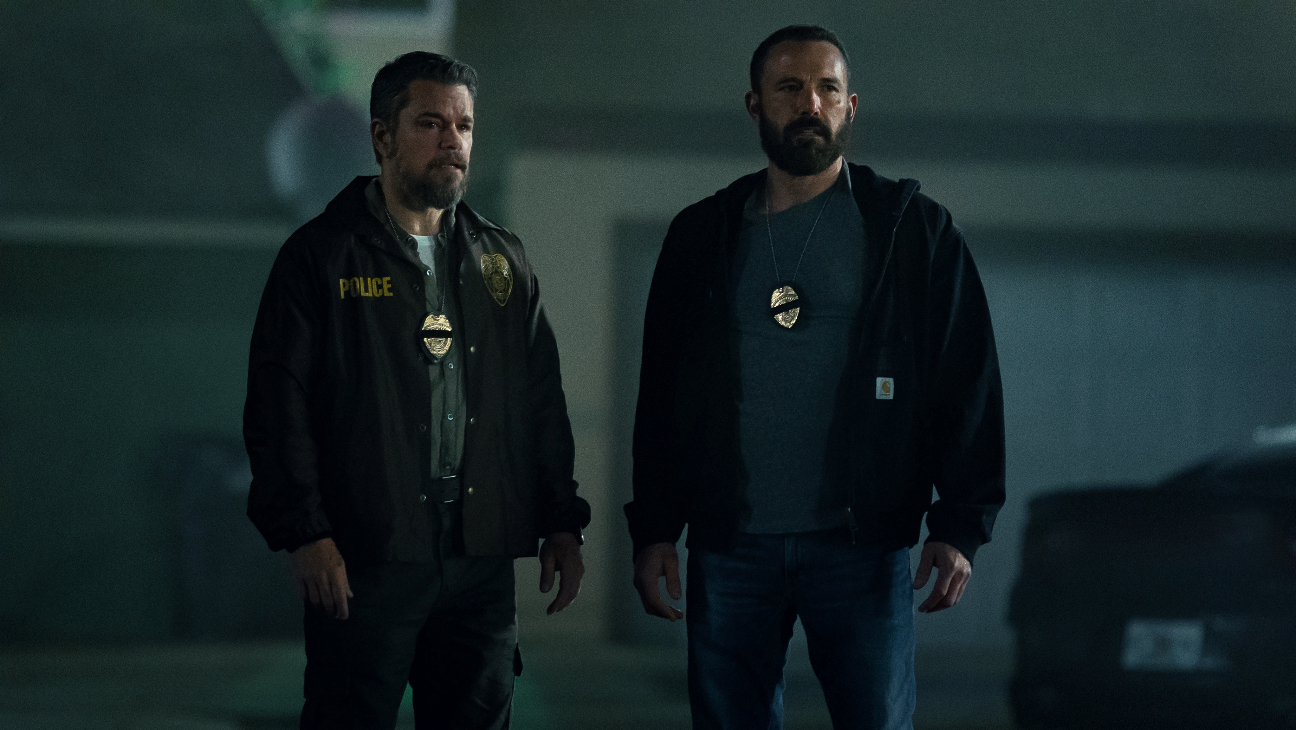
Action maven director Joe Carnahan’s latest action drama, “The Rip,” arrives on Netflix with a bang. Carnahan pens the script with Michael McGrale.
Set against the backdrop of a Miami Police Tactical Narcotics Team still grappling with the unresolved murder of their captain, the film opens in a state of institutional paralysis. Six weeks of bureaucratic deadlock have left everyone tense, restless, and quietly furious.
So when a tip about a derelict stash house surfaces, the team doesn’t just see it as an opportunity for justice—they see movement, purpose, and maybe even leverage. However, what they find inside—millions in unclaimed cash—doesn’t blow the story apart; it slowly and deliberately corrodes it from the inside out.
This is where “The Rip” begins to resonate with a “Dog Day Afternoon” style energy. Not because director Joe Carnahan is chasing Sidney Lumet’s shadow shot for shot, but because he understands a similar dramatic truth: putting flawed individuals in a confined, high-stakes situation and adding outside pressure reveals human nature.
As news of the “seizure” leaks and external forces circle, every glance between teammates becomes loaded, and every decision appears suspect. The film is not really about whether they’ll get away with it; it’s about how quickly loyalty fractures once the stakes change.
Carnahan, who has explored themes of institutional rot and masculine paranoia since “Narc,” directs with a jittery confidence. The camera never quite relaxes, and even quiet moments feel tense and overheard. Miami isn’t depicted as a postcard paradise but as a humid, claustrophobic environment—heat pressing in, tempers rising, and ethics seeping away. The fuse is constantly lit; Carnahan takes his time deciding when to let it burn down.
The ensemble cast is impressive and effectively utilized. Matt Damon and Ben Affleck bring a lived-in rapport to their roles that the film smartly exploits—their history is implied rather than explained, making every crack in their trust feel earned. Steven Yeun excels at controlled ambiguity, portraying calmness not as reassurance but as a strategy.
Teyana Taylor anchors the film with a performance that defies the genre’s tendency to sideline its female characters; she’s deeply involved in the moral conflict. Meanwhile, Kyle Chandler embodies authority with a ticking clock, adding an understated menace simply by being present.
Technically, the film is tight without being flashy. The editing maintains an elastic tension, the score pulses without overtly emphasizing every beat, and the cinematography prioritizes proximity over polish. Even the title carries significance—“RIP,” slang for asset seizure and forfeiture—is fitting for a story about money that isn’t supposed to belong to anyone, yet somehow belongs to everyone the moment it’s found.
What holds “The Rip” back from true crime classic status is its familiarity; seasoned genre fans may predict certain plot twists. However, Carnahan compensates by focusing on character rather than gimmicks. The key question isn’t who pulls the trigger, but who blinks first. The film illustrates that body count doesn’t measure the real fallout, but by who can still look each other in the eye afterward.
Ultimately, *The Rip* earns a grade of B+ by sticking to its central theme: it isn’t just a cartel movie or crooked cop tale; it explores what happens when temptation stretches the thin blue line.
Like “Dog Day Afternoon,” it shows that the real danger isn’t the money on the table, but the people calculating the risks around it.
Final Grade: B+
“The Rip” arrives on Netflix tomorrow.