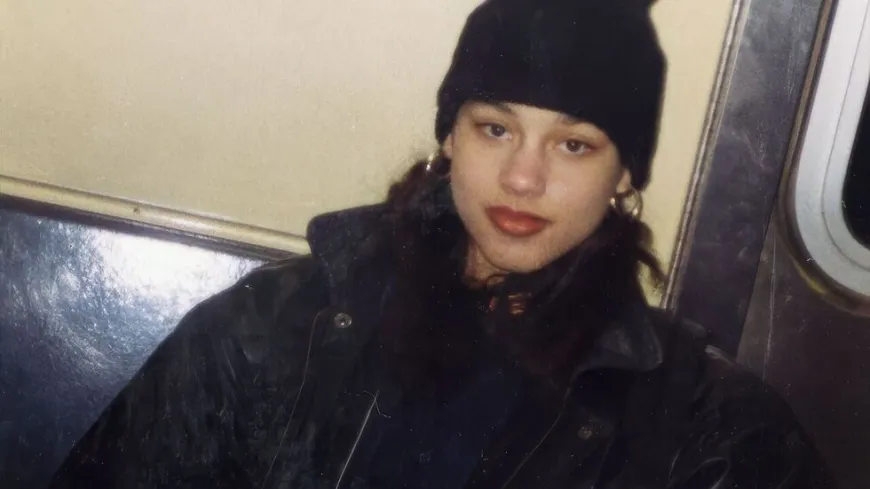
Tribeca 2026 featured a strong lineup of music documentaries for Black Music Month. After seeing the EWF doc- sadly, I missed the documentary about The LOX- I made sure to view the closing-night film, “Alicia Keys: Girl from Hell’s Kitchen”, directed by One9.
Keys first broke through when I was entering my sophomore year of college; now my son is preparing for his first year. That full-circle feeling is why this documentary hit differently. This is not just a film about a singer with Grammys, hits, and Broadway credits.
It is about time, legacy, and watching a Black girl from Hell’s Kitchen turn discipline into destiny. One9 frames Keys as both a product of her environment and someone determined not to be limited by it. Much of the documentary follows the making of “Hell’s Kitchen”, Keys’ semi-autobiographical Broadway musical, and that choice could have felt like polished self-promotion. Sometimes it does, but Keys’ connection to the material gives those rehearsal scenes weight.
Keys is well-acquainted with film, having appeared in “Smokin’ Aces,” “The Secret Life of Bees,” and “The Nanny Diaries.” Given her rise to celebrity after her debut, it is surprising that “Hell’s Kitchen” didn’t come out as a film or stage project sooner. However, I respect Keys’ decision to wait until she had matured, both as an artist and as a woman.
The archival footage gives the film its strongest pulse. Young Alicia singing “Over the Rainbow,” teenage Alicia at the piano, and images of her mother, Terria Joseph, chasing artistic dreams in New York paint a fuller picture. One9 also uses gritty footage of 1990s Hell’s Kitchen to remind you this was not a postcard version of Manhattan. Alicia’s gift was real, but so was the pressure.
The film works best when it compares Alicia to Ali, the fictionalized version created for the stage. Ali discovers piano later, but Alicia was already moving with purpose before most teenagers understood ambition’s cost. Where ‘Alicia Keys: Girl from Hell’s Kitchen’ falls short is in building tension. The film celebrates her life and career more than it critically examines them. It features voiceover cameos from Donald Faison and Terrence Howard.
As a closing-night selection at Tribeca, it offers a warm portrait of an artist whose music has defined adulthood for many. Graffiti artist turned filmmaker One9 is definitely a talent to watch, and I hope we see more music-based documentaries from him in the future. Perhaps he could consider a project centered on the solo successes of New Edition.”
While I have yet to see “Hell’s Kitchen”, this documentary more than tides me over.
Final Grade: B+