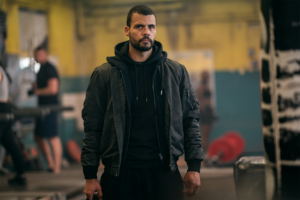


Cape Fear Review: Javier Bardem Delivers a Chilling Performance in Apple TV+’s Gripping Thriller Series
After achieving success with “Presumed Innocent,” Apple TV+ is now giving another ’90s thriller the miniseries treatment in “Cape Fear.”
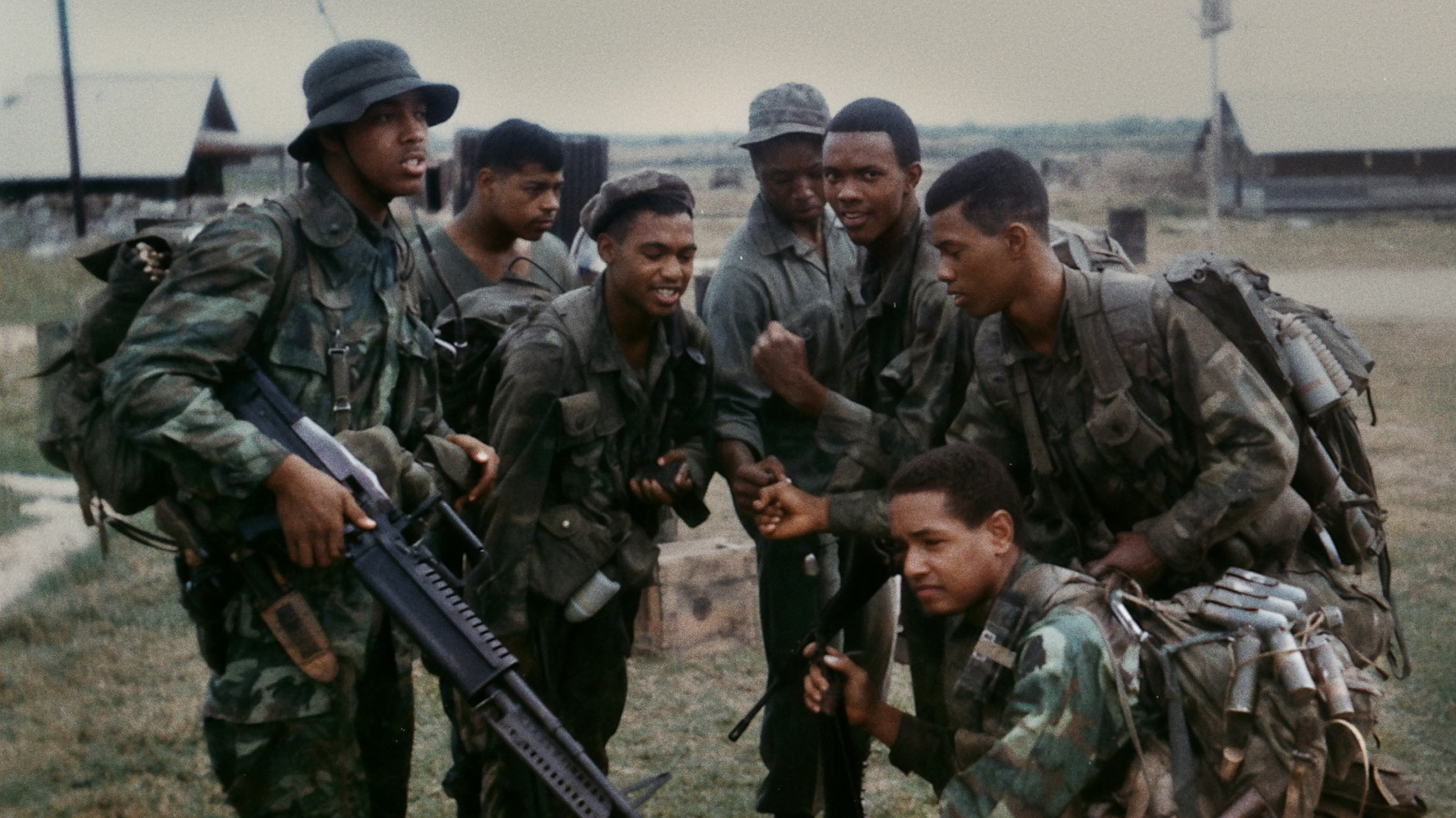
“Soul Patrol” uncovers a chapter of American military history that has been overlooked, not by time, but by inconvenience. Through the experiences of the first Black special operations team during the Vietnam War, the documentary revisits this complex period from deep behind various lines—geographic, political, and cultural. It poses a deceptively simple question: What does it mean to fight for a country that is still fighting against you?
Director J.M. Harper frames the film around the memories of Ed Emanuel, whose story serves as the emotional and moral core of the narrative. As a teenager, Emanuel joins the military, filled with the awe of someone experiencing the world for the first time. However, this innocence is shattered when a flight captain announces the assassination of Bobby Kennedy.
In that moment, Emanuel realizes that while he is being sent abroad to defend American interests, the struggle for Black dignity and civil rights back home is reaching a critical point. This leads to the poignant question that lingers throughout the film: What am I doing in Saigon? Harper skillfully constructs the documentary, blending archival footage, reenactments, and firsthand testimonies into a narrative that challenges military myths.
This is not a film focused on stoic heroism or sanitized patriotism; instead, it examines the psychological toll of being labeled a “soul brother” in a conflict that demanded loyalty without reciprocation. “Soul Patrol” emphasizes that representation alone is insufficient; context is crucial. These men were not just soldiers; they were Black men grappling with identity, duty, and contradiction in a foreign land while their own country remained unresolved.
The film’s emotional depth is especially evident when Emanuel reunites with his former teammates. These scenes are understated yet powerful, filled with long pauses and meaningful glances that reflect shared memories. Here, healing is not about cinematic catharsis; it is about acknowledgment. Harper grants the men space to express feelings of shame, isolation, and pride without forcing a resolution.
Ultimately, “Soul Patrol” succeeds because it restores humanity to a story flattened by imperial narratives and military bravado. It does not seek absolution or applause; rather, it desires to be remembered—and, more importantly, understood.
Final Grade: A

After achieving success with “Presumed Innocent,” Apple TV+ is now giving another ’90s thriller the miniseries treatment in “Cape Fear.”

After months of anticipation, Showtime returns viewers to the Windy City for one last hurrah as “The Chi” kicks off its final season. In the past, viewers longed to escape from characters disappearing and drifting storylines. However, the show has always kept me invested.

Picking up after Coop (Jon Hamm) narrowly avoids prison, the season finds him still navigating moral gray areas, even after realizing that Sam (Olivia Munn) framed him for murder. His relationship with ex-wife Mel (Amanda Peet) remains complicated—emotionally unresolved yet intentionally restrained. The show avoids easy resets, allowing its characters to grapple with the discomfort they’ve created.