



Search
Picture of Derrick Dunn

Derrick Dunn

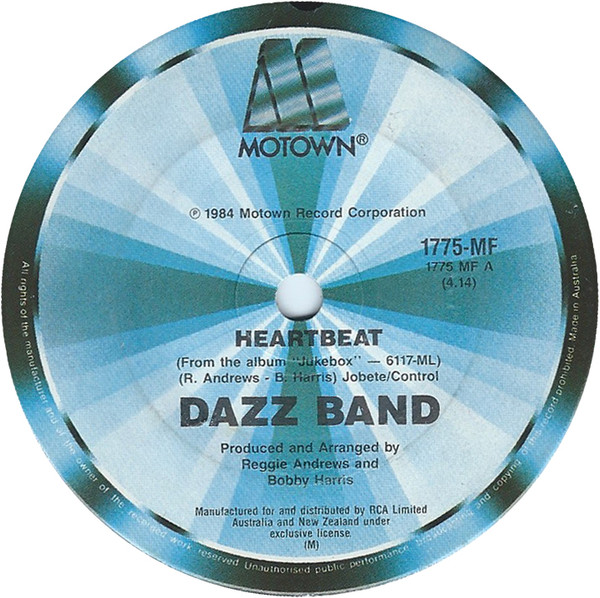
Slow Jam Saturday : Dazz Band, “Heartbeat”

R&B fans are still raving about the Joe and Donell Jones Verzuz, which Joe easily won in my book. I’ve always been a fan of Joe, so while revisiting his catalog I was reminded just how much I loved the 2014 bop “Love & Sex, Pt. 2.”

One of the things I’ve always appreciated about that record is how it samples and interpolates the hook and riff from Dazz Band’s “Heartbeat,” which makes it the perfect choice for this week’s Slow Jam Saturday.

Released in 1984 from the group’s Jukebox album, “Heartbeat” is a reminder that Dazz Band was more than just a hit-making funk outfit. Most casual fans immediately go to “Let It Whip,” “Joystick,” or “Let It All Blow,” but “Heartbeat” shows the Cleveland crew knew how to slow things down and still keep the groove intact.

Written by Reggie Andrews and Bobby Harris, and produced and arranged by that same duo, the song leans into a smooth, polished quiet-storm vibe that still works today. The production has that unmistakable mid-’80s sheen, but it never feels cold or overdone. Instead, it glides. The synths are mellow, the groove is easy, and Skip Martin’s lead vocal gives the record its heartbeat in more ways than one. He doesn’t oversing the material or force the emotion. He just lets the song breathe.

That’s part of what makes “Heartbeat” stand out. It’s simple, direct, and romantic without trying too hard. No extra drama. No unnecessary flash. Just a grown and sexy groove that knows exactly what mood it wants to set.

Hearing it now, it also makes perfect sense why Joe tapped into it years later. The original already had the kind of melodic pull and smoothness that could connect across generations.

Dazz Band may be forever linked to their funk classics, but “Heartbeat” proves they had slow-jam game too.

Final Grade : A-

Movie Clappers

More to explorer

“Mouse” Review: Growing Up When Grief Gets in the Way

Some coming-of-age movies suggest that the school cafeteria determines your entire personality. Popular kids face one set of problems, while quieter kids face another, and everyone seems to wait for the screenplay to teach them a lesson. However, “Mouse” gives its teenagers more credit, emphasizing that friendship rarely follows those simplistic categories.


Facebook
Twitter
LinkedIn

© Copyright Reviews & Dunn. All rights reserved

website designed by Red Robin Digital designers