



Search
Picture of Derrick Dunn

Derrick Dunn

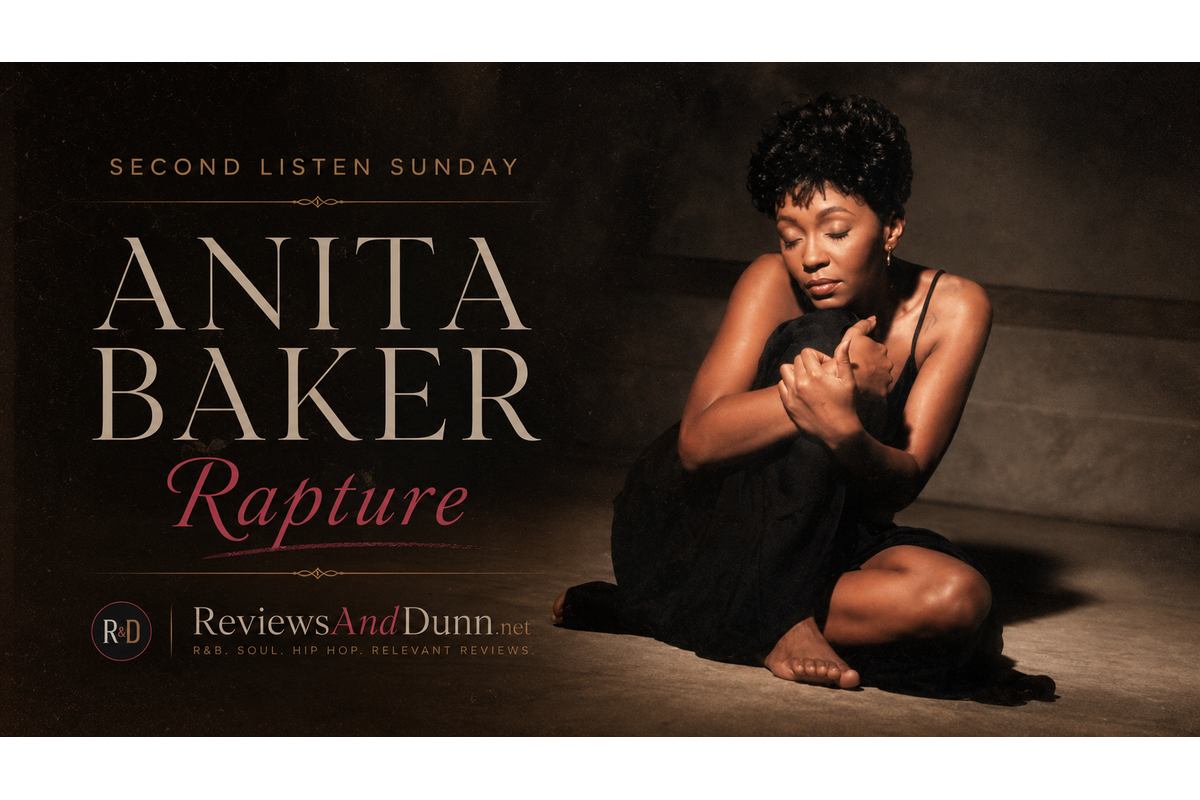
Second Listen Sunday: Anita Baker, “Rapture”

There are some albums you revisit because of nostalgia, and then there are albums you return to because they remind you just how high the standard used to be.  Anita Baker’s Rapture falls into that second category.  Released in 1986, the album did more than make Baker a star.  It helped define what sophisticated, grown R&B could sound like without losing any soul, sensuality, or personality.

Naturally, “Sweet Love” is the song that gets most of the attention.  And rightfully so.  That opening alone immediately puts you in a certain place.  Then Anita comes in with that unmistakable contralto and reminds you that sometimes the best singers do not have to do the most.  She never sounds like she is trying to prove anything.  There are no unnecessary vocal gymnastics.  She knows where to put the emotion.  That restraint is one of the things I appreciate even more now at age 45.

“Caught Up in the Rapture” is another perfect example.  The song is romantic, sensual, and grown without ever becoming corny.  Anita could make love songs feel mature without making them feel old.  That is a lane a lot of artists tried to enter afterward, but few ever sounded natural doing it.

A huge part of why Rapture works comes down to Michael Powell.  Reuniting Baker with her former Chapter 8 bandmate as producer was important because Powell clearly understood the voice he was working with.  He never buried Anita underneath the production.  Instead, everything around her feels designed to give that voice room to breathe.

The bass is warm.  The keyboards are elegant.  The arrangements are polished without sounding sterile.  Even when the album leans into the glossy production of the mid-eighties, it never loses its humanity. That is also why Rapture was so important.  Anita Baker proved adult R&B did not have to mean boring.  Quiet storm did not have to mean background music.  A Black woman singing sophisticated love songs could dominate R&B radio, cross over, and still sound completely like herself.

And the album was much deeper than its signature singles.  “You Bring Me Joy,” “Same Ole Love,” and “No One in the World” all still hit. Nearly forty years later, Rapture does not sound like an artifact from 1986.  It sounds like the record everybody else was trying to catch up to.

Final Grade: A

“Rapture” is available on all streaming platforms.

Movie Clappers

More to explorer

Facebook
Twitter
LinkedIn

© Copyright Reviews & Dunn. All rights reserved

website designed by Red Robin Digital designers