During the nineties, Hip-Hop and R&B were closely intertwined. Nearly every major Hip-Hop label featured a singer or group to handle the hooks, and many MCs leaned on these connections to bring vocalists to the forefront.
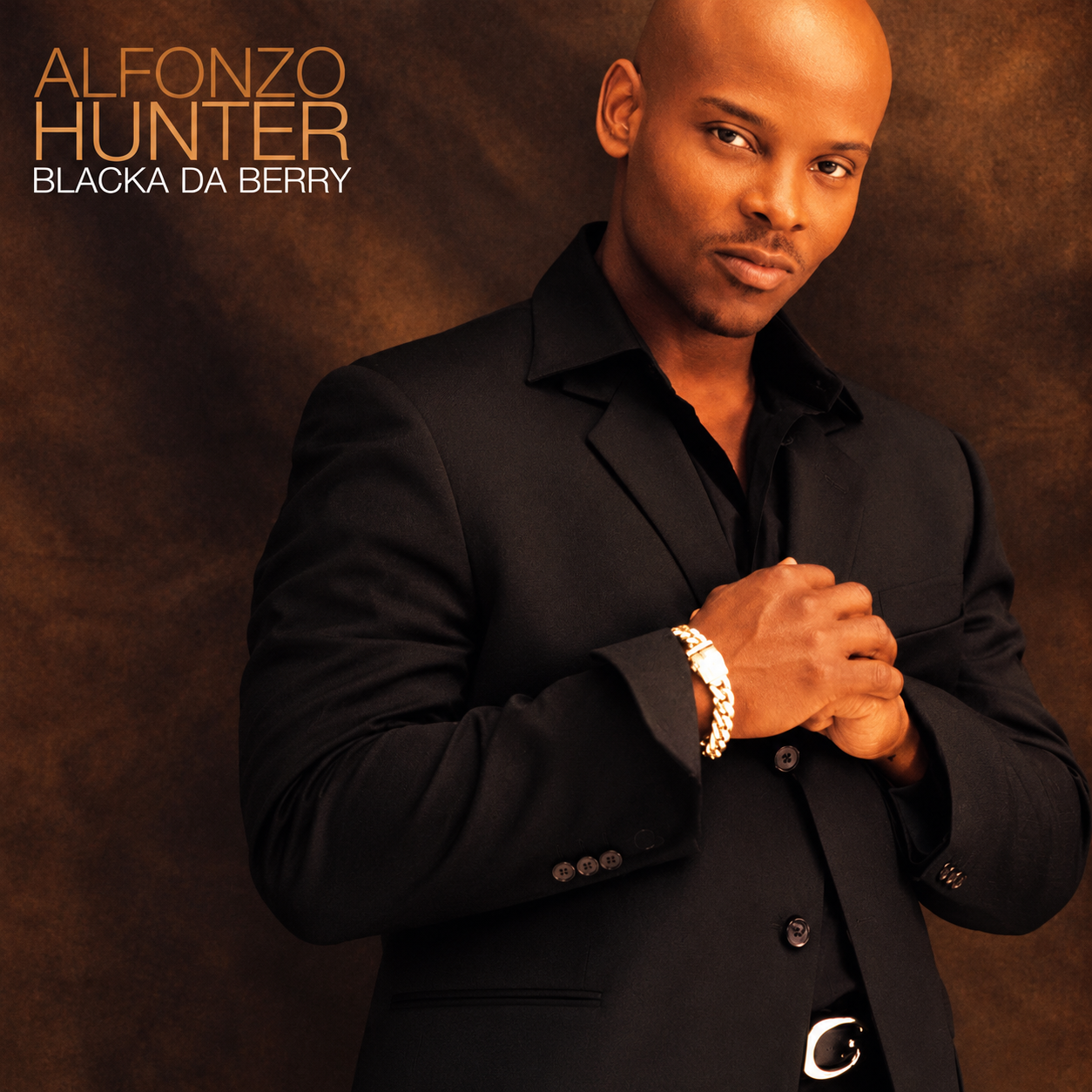
This week’s Second Listen Sunday pick, Alfonzo Hunter, released his debut album, “Blacka Da Berry,” on October 29, 1996, through Def Squad/EMI. The Chicago native began his professional music career by doing background vocals for R. Kelly and could have easily built a successful career in that lane. However, Hunter had bigger aspirations.
Before becoming a vocalist, Hunter’s initial musical path was jazz. He studied and performed alto saxophone, but limited opportunities for working jazz musicians in Chicago led him to focus more on singing. This background matters because you can hear traces of it throughout “Blacka Da Berry.” The musicianship and looseness present in some of these songs help the album avoid feeling like just another assembly-line nineties R&B project.
Erick Sermon, also known as the Green-Eyed Bandit, produced nine of the album’s thirteen tracks, including the lead single “Just The Way (Playas Play),” on which he also delivers a hot sixteen bars. The track has all the elements you would expect from a mid-nineties party record but unfortunately came out during an era saturated with R&B powerhouses.
Timing may have been Hunter’s biggest challenge. Billboard had already begun positioning him alongside D’Angelo, which sounds impressive on paper until you remember that Maxwell also debuted in 1996, carving out similar soulful territory. Suddenly, Hunter wasn’t just competing with traditional R&B singers; he was entering a lane crowded with artists drawing from seventies soul, jazz, and Hip-Hop.
The rest of “Blacka Da Berry” features Hunter exploring familiar R&B themes. “Groove On” pays homage to the Windy City, while “Daddy’s Little Baby” is dedicated to his daughter. “Rest In Peace” honors departed friends, and the Dave Hollister-assisted track “Everything” adds a touch of gospel flavor to the mix.
“When You’re Ready” stands out as one of the stronger cuts, allowing Hunter to showcase his saxophone skills alongside his singing talent. Naturally, no nineties R&B album would be complete without a slow jam, which arrives in the form of “Slow Motion.”
Reflecting nearly thirty years later, I wonder if Hunter arrived too early. Had he debuted a few years later, around the time Hidden Beach was emerging and the neo-soul movement was solidifying its commercial identity, his blend of jazz musicianship, Hip-Hop production, and smooth vocals might have found a more suitable platform. I can easily envision Hunter becoming a flagship artist for a label centered around that sound.
Hunter certainly had the vocal talent, but unfortunately, in 1996, talent alone wasn’t enough to distinguish oneself in an overly crowded male R&B market.
Nevertheless, “Blacka Da Berry” remains a solid debut, an intriguing “what if,” and another noteworthy piece of nineties R&B.
Final Grade: B