Somewhere, an American producer examines the setup for “Possible Love” and wonders how quickly these married couples can start shedding their clothes. With two couples wrestling with unequal bank accounts and emotional baggage, the idea of a getaway presents itself. You can almost hear the pitch. Thankfully, director Lee Chang-dong delves into issues beyond simple bedroom dissatisfaction.
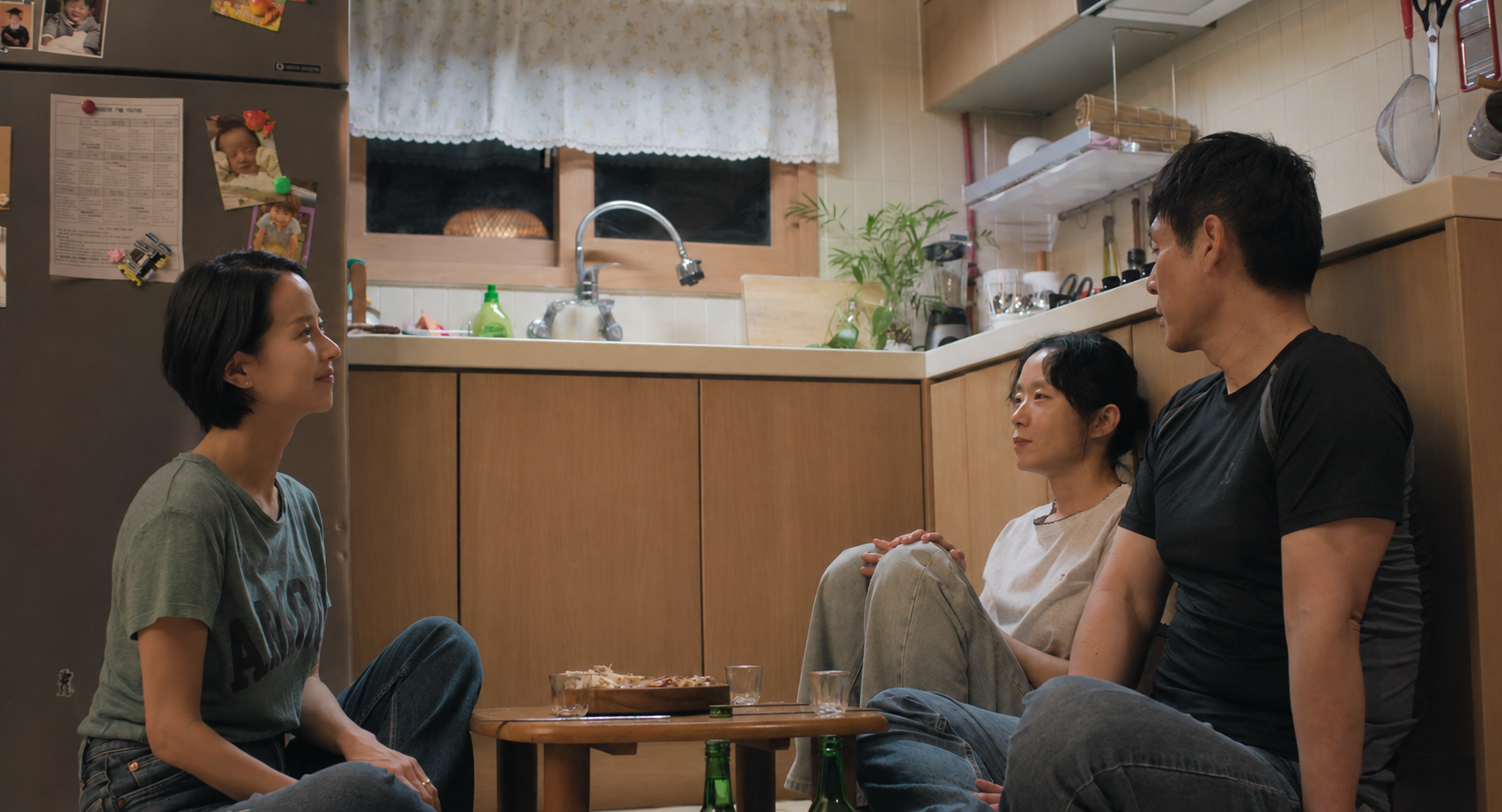
His latest film centers on Mi-ok and Ho-seok, a working-class couple whose lives bear the scars of factory work and police violence during labor strikes. Their encounter with documentary filmmaker Ye-ji and her wealthy husband, Sang-woo, brings together individuals with vastly different relationships to hardship.
Ye-ji’s intention to document working-class lives sounds commendable, but it raises questions about the gap between understanding someone’s struggles and truly living them. While a camera can capture someone’s story, it also gives the person behind the lens a sense of control. Lee creates discomfort around this unequal exchange without reducing the couples to a simplistic rich-versus-poor debate.
The opening stretches of the film are conversational and unhurried. Viewers expecting immediate tension might find themselves checking how much of the movie remains. However, these discussions establish the characters and allow resentment, curiosity, and unease to simmer beneath what appears to be an unlikely friendship.
What works particularly well is the film’s refusal to attribute the couples’ issues solely to sexual dissatisfaction. An Americanized adaptation might have turned this material into a cliché affair thriller. Instead, the core divide focuses on money, dignity, and the limits of compassion. Desire doesn’t have to bear the entire burden of drama.
Jeon Do-yeon delivers a compelling performance that keeps the audience engaged. Mi-ok experiences significant emotional shifts, and Jeon’s portrayal lends those changes enough weight to connect the film’s broader themes to individual experiences. Alongside her, Sul Kyung-gu, Cho Yeo-jeong, and Zo In-sung form a strong cast that helps maintain the emotional stakes of their encounters.
At nearly three hours long, Lee asks for a considerable investment from the audience. While this patient approach yields rewards, there are moments when the film could tighten its pacing.
The coastal setting in the final act introduces a welcome change in atmosphere. The beautiful backdrop offers little sanctuary as the social drama shifts into psychological thriller territory. Lee handles the mounting tension with confidence, even as the unfolding events become increasingly hard to believe.
One concern is how the climax addresses accountability. While moral ambiguity can provoke discussion, some choices feel less convincing than the atmosphere around them.
Despite this reservation, “Possible Love” offers substantial rewards. The performances and the exploration of class tensions linger longer than the film’s less credible moments. Lee gives viewers plenty to debate afterward, ensuring the conversation is both engaging and worthwhile.
Final Grade: B+
“Possible Love” is on Netflix today.