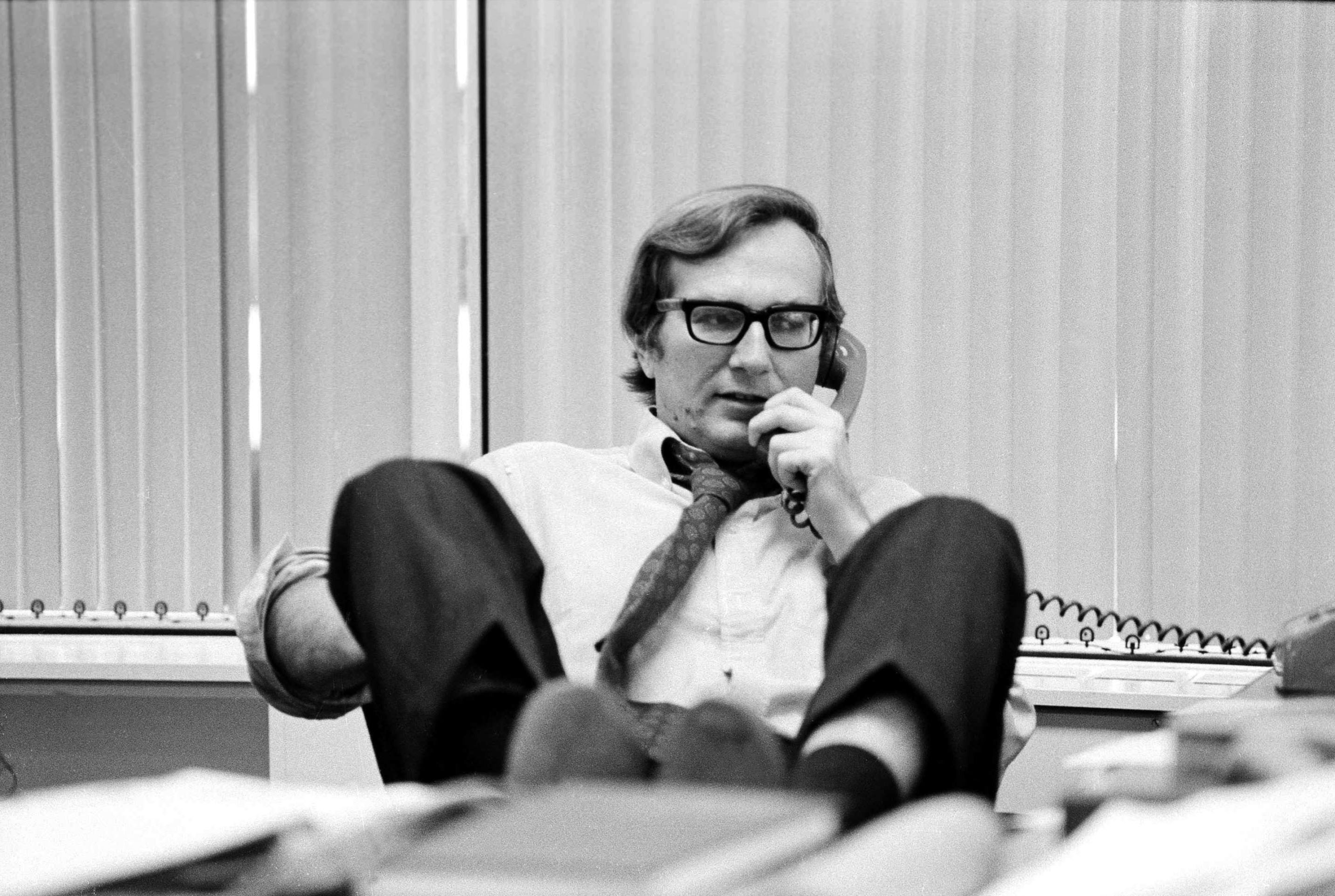
In the new Netflix documentary “Cover-Up,” Seymour Hersh’s career unfolds not as a triumphant victory lap but as a long-standing record of resistance against power, institutional silence, and the convenient amnesia that often passes for history.
Urgent yet not sensational, the “Cover Up: serves both as a portrait of a relentless reporter and as a candid indictment of the systems he has spent his life challenging.
One of the film’s most revealing moments occurs when Hersh recalls a private meeting with Henry Kissinger during the Vietnam War era. When asked to recount his observations from one of the few journalist trips allowed into the region, Hersh offers a sober assessment, deliberately avoiding moral grandstanding.
Kissinger abruptly ends the conversation by loudly declaring that Hersh knows more about Vietnam than the CIA. This comment does not come across as praise but rather as theatrical manipulation. Speaking directly to the camera, Hersh instantly recognizes it for what it is: a transparent attempt at flattery meant to disarm scrutiny. He does not buy into it—and history confirms that he never did.
This instinct—to distrust official narratives—defines Hersh’s legacy. The film traces his role in exposing the My Lai massacre, corporate corruption, abuses at Abu Ghraib, and U.S.-backed violence abroad, depicting these events not as isolated incidents but as part of a recurring pattern: concealment followed by reluctant acknowledgment. “Cover-Up” makes it clear that these were not anomalies; they were symptoms of a broader issue.
Co-directors Laura Poitras and Mark Obenhaus construct the film using Hersh’s personal archives, notes, and contemporaneous documents, allowing the work itself—not narration—to carry authority. The result is less of a biography and more of a counter-history, one that charts the ongoing tension between transparency and power, exposure and denial.
“Cover-Up” gains additional resonance from its awareness of how journalism has changed. The film subtly acknowledges that the battleground has shifted—from newspapers to magazines, newsletters, and platforms like Substack. The number of gatekeepers has decreased, the noise has increased, and sustaining credibility has become more challenging. Hersh remains skeptical yet engaged, continuing to pursue the truth in a media landscape that increasingly favors speed over substance.
“Cover-Up” is neither nostalgic nor naive. It recognizes that while the tools of journalism may evolve, the need for rigorous, adversarial reporting has not diminished—only the appetite for it has.
Final Grade: B+
“Cover Up” is in limited release now and available on Netflix, Friday, December 26th.