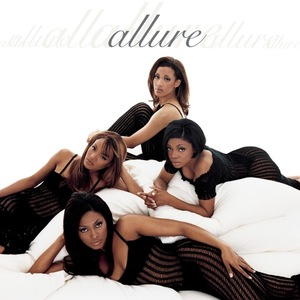
Nineties R&B was home to many female groups, so standing out took more than good looks and a major industry endorsement. I still remember seeing Allure in a Vibe ad and thinking how gorgeous those four women were. The question was whether they had the talent to compete in the music scene.
Released on May 6, 1997, Allure marked Mariah Carey’s first signing to Crave Records. Having Carey in their corner opened doors for the group, but it also set high expectations. Listening again, I realize that while the four singers are capable, they sometimes struggle for space amid the star-making machinery surrounding them.
The Trackmasters-produced track “Head Over Heels,” featuring Nas, understood its assignment well. Built around a sample of MC Shan’s “The Bridge,” it captures the essence of summer cruising and the thrill of a new crush. Nas adds his Queensbridge swagger, but it’s the group’s harmonies that convey youthful anticipation.
Following this is “No Question,” featuring LL Cool J, which naturally evolves from flirtation into a more established romance. The familiar sweetness of Mtume’s “Juicy Fruit” makes it instantly appealing, though today, that formula feels somewhat safe.
Fortunately, “All Cried Out” provides the album’s defining moment. Allure and 112 revisit the Lisa Lisa and Cult Jam classic without turning heartbreak into a vocal competition. Their exchanges sound wounded, frustrated, and genuinely believable, while Carey, Cory Rooney, and Walter Afanasieff’s production lets the harmonies breathe. The result is emotionally larger than either of the preceding singles.
There’s more here than just the hits. Gordon Chambers’ “The Story” uses piano and strings to underscore romantic uncertainty, letting the women lean into the song instead of forcing every note. Carey and Rooney’s “Last Chance” is even stronger, capturing the risk of confessing feelings to someone who may only see you as a friend.
Its restraint makes the plea feel convincing. The closing track, “Mama Said,” which is another Chambers composition, shifts the focus from romance to the grief of losing a mother, showcasing a wider emotional range that deserves more recognition.
However, the album isn’t without its flaws. The heavy use of familiar samples and guest appearances makes certain parts sound tailored for 1997 radio, and at times, individual voices get lost within the arrangements. Additionally, the sequencing loses momentum between its strongest moments. Yet, their voices bring a warmth that those formulas cannot replicate.
Revisiting Allure reminds me why that era mattered: groups could seamlessly blend hip-hop attitude with genuine vocal ability. Although this debut album never fully established Allure’s identity, it provided them with a credible foundation. For fans of nineties girl groups willing to look beyond the singles, another listen is worthwhile.
Final Grade: B