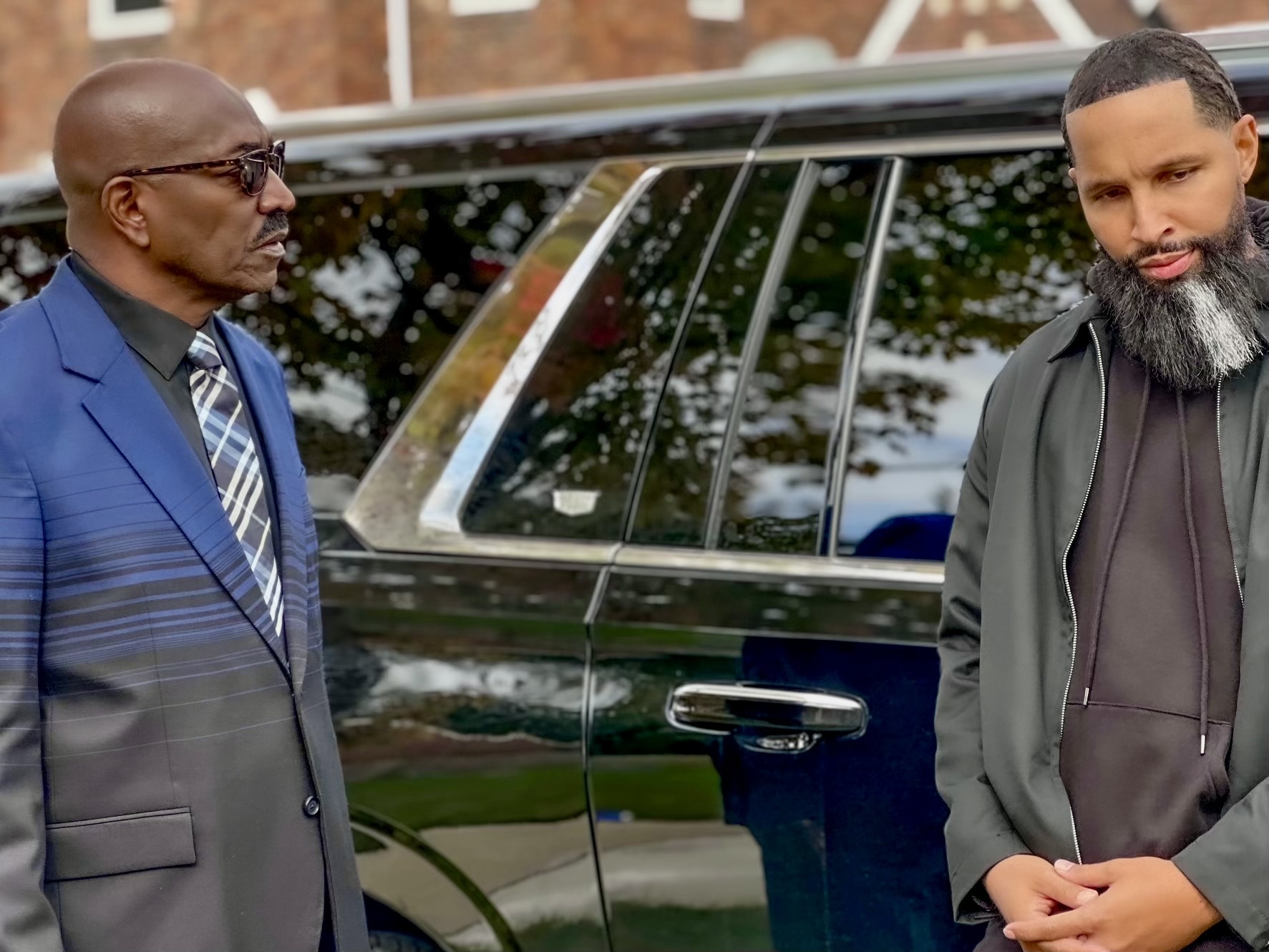
Director Kamal Smith brings his creative vision to “Return of the Mack,” a companion piece to the classic 1970s film “The Mack,” distributed by Quiver Distribution. The screenplay is written by Jason “Jayskillz” Collins, Brian Freeman, and Jami Freeman.
The story follows John “Golden” Mickens III (played by Dejuan Ford), the grandson of the infamous Oakland pimp from the 1970s, who is released from prison after serving a decade for a brutal assault. Determined to leave his past behind, Golden returns to a city that has undergone significant changes yet still harbors old demons.
As Golden attempts to rebuild his life, he is hit with the shocking news that his estranged daughter, Dana (JaVyana Clark), has become entangled in a sinister human trafficking ring led by Jebediah Creed (Cody Fox). Overwhelmed by guilt and driven by a fierce paternal instinct, Golden realizes that his past misdeeds have come back to haunt him in the most personal way possible.
With the same street smarts and ruthless determination that once made him a feared figure, Golden embarks on a relentless mission, assisted by Deceive Calhoun (Clifton Powell) and his partner, Diamond (Cornisha ‘Cookie’ Smith), to rescue his daughter and dismantle the trafficking operation plaguing Detroit. Along the way, he allies with former enemies and confronts the ghosts of his past as he descends into the darkest corners of the city’s underworld.
If memory serves, the first time I watched “The Mack” was in seventh grade when HBO aired it. About two years later, I read an article in Vibe magazine about plans for a remake coinciding with John Singleton’s upcoming “Shaft” remake. While that remake never came to fruition, the legacy of “The Mack” has lived on through music videos, skits, and various forms of art. That said, while the original is a classic, a companion piece could face backlash in today’s cancel culture.
Fortunately, the director chooses to use the real-life issue of human trafficking as the backdrop for the story. In the lead role of Golden, Ford has a commendable character arc. Rather than falling into a stereotypical portrayal, the script gives his character a motive for using violence. Ford doesn’t try to recreate the legendary Max Julien but brings his own unique flavor to the role. While it may not be a star-making performance, it aligns more with the grittiness of a Netflix film.
The supporting cast is largely made up of lesser-known actors, aside from Clifton Powell and De’Aundre Bonds, which I interpret as Smith’s way of capturing the unpolished aesthetics of the seventies while working with a larger budget. I must give credit to Cody Fox, who plays the lead antagonist effectively without becoming overly hammy. It was also a pleasant surprise to see Doug E. Fresh in an extended cameo.
While “Return of The Mack” isn’t groundbreaking, it’s an enjoyable one-time watch that fans of the genre should appreciate.
Final Grade: B-
“Return of The Mack” IN SELECT THEATRES AND ON DIGITAL & VOD PLATFORMS ON FRIDAY, APRIL 17TH.