I’ve always had a soft spot for biopics—the kind that take real lives and shape them into something cinematic and lasting. However, I can admit that the genre has been lacking lately.
Too many of these films follow a formula, hitting the same emotional notes without truly earning them. If there were a critics’ union, it might be time to call for fewer of these films. Yet, now and then, one comes along that reminds you why the genre can work. “A Magnificent Life” is one of those films.
Directed by Sylvain Chomet, the filmmaker behind “The Triplets of Belleville”, this animated portrait of Marcel Pagnol avoids the usual pitfalls. Chomet doesn’t chase reverence; instead, he leans into interpretation. His visual style—elastic, expressive, and slightly uncanny—prevents the film from settling into the safe, polished rhythms that characterize so many biopics. This distance allows the film to reveal Pagnol more clearly.
For years, Pagnol has been confined to the role of a charming voice from the French South, his legacy reduced to warmth and regional flavor. *A Magnificent Life* challenges that perception. It portrays him as a builder, a risk-taker, and an artist with a reach that extends beyond the limits often assigned to him.
The film follows his journey from childhood in Provence to success on the Paris stage, and eventually into filmmaking, where he took the bold step of founding his own studios in Marseille. That gamble, like many ambitious moves, came at a cost: it collapsed during World War II. But for a time, it mattered—attracting talent like Jean Renoir and helping to shape a burgeoning film culture.
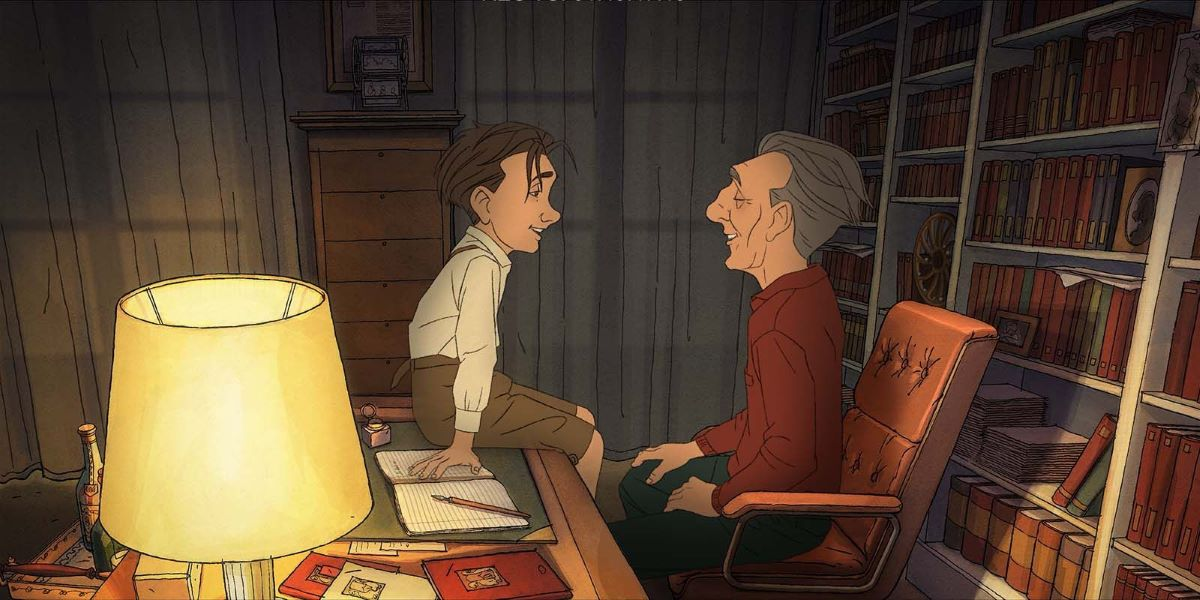
What keeps the film from feeling overloaded is its sense of movement. Chomet understands that a full life can’t be told through checklist storytelling. Instead, he crafts a narrative framework around an older Pagnol, racing to put his life on paper, only to find himself stuck. The breakthrough comes not from self-reflection, but from conversation—his younger self stepping in as a guide. It’s a simple yet effective device that allows memory to flow organically.
By the end, “A Magnificent Life” feels less like a traditional biopic and more like a meditation on the act of creation itself. It explores how artists remember, how they reshape their pasts, and how time inevitably catches up with them. The film doesn’t strive for grandeur; it opts for something quieter, and in doing so, it succeeds.
Final Grade: B+