


Search
Picture of Derrick Dunn

Derrick Dunn

“All you need is kill” is sci‑fi anime at its most relentless and human

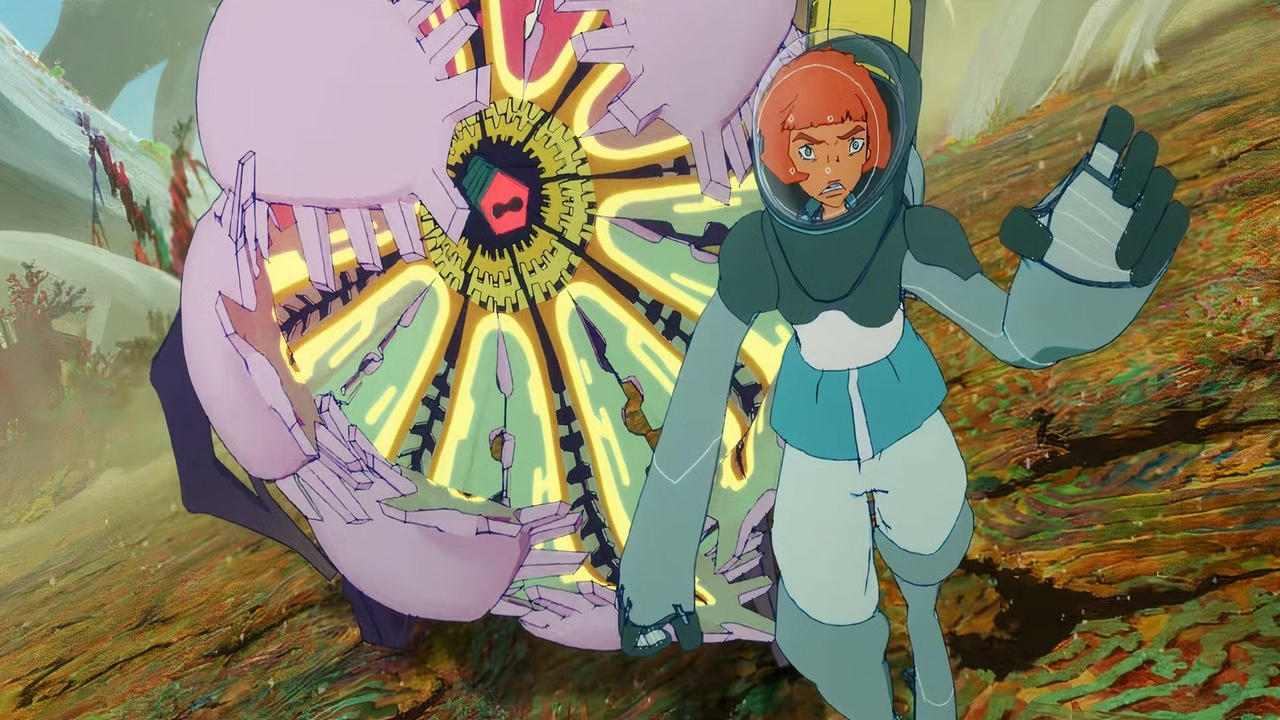
“All You Need Is Kill” doesn’t ease you into its world—it drops you straight into the wreckage and asks you to find your footing while everything is still burning. Set in the near-future year 20XX, the film imagines a Japan struggling to rebuild after the sudden appearance of Darol, a massive alien “flower” that feels less like an invader and more like an omen. When Darol finally erupts, it doesn’t just bloom—it massacres, unleashing creatures that tear through the population with merciless efficiency.

At the center of the chaos is Rita, a young woman who isn’t framed as a destined savior or trained warrior. She’s a volunteer, isolated and emotionally guarded, trying to do something useful in a world already half-lost. Her death comes abruptly, without ceremony—and then comes again. And again. Rita wakes up trapped in an endless time loop, forced to relive the same day, the same invasion, the same violent end. What could have played like a sci-fi trick instead becomes something more unsettling: a portrait of trauma that refuses to stay buried.

The brilliance of ALL YOU NEED IS KILL is how it treats repetition. Each reset isn’t clean or empowering; it’s exhausting. Rita doesn’t just learn enemy patterns—she accumulates emotional scars. Her movements sharpen, her reactions harden, but the weight of remembering what no one else can see presses down on every loop. When she finally crosses paths with Keiji, another soul caught in the same cycle, the film finds its quiet emotional core. Their connection isn’t romanticized heroism—it’s survival through shared understanding.

Directed by Kenichiro Akimoto and produced by STUDIO 4°C, the film leans into a raw, tactile visual style. The animation favors momentum and impact over polish, with battle sequences that feel chaotic rather than choreographed. The world looks bruised. Machines feel heavy. Silence between fights carries as much tension as the combat itself. The music pulses and recedes like a stressed heartbeat, reinforcing the sense that this is a war of attrition—psychological as much as physical.

Adapted from the light novel by Hiroshi Sakurazaka, ALL YOU NEED IS KILL ultimately asks a deceptively simple question: if you were forced to relive your worst day forever, what would you become? A hero? A weapon? Or just someone learning how to endure?

There are no easy victories here, only choices made under unbearable pressure. It’s sci-fi with teeth, anime that understands repetition not as a gimmick, but as a kind of slow violence. By the time the film closes its loop, you don’t feel relief—you feel altered. And that’s exactly the point.

Final Grade : B+

“All You Need Is Kill” Is in theaters now.

Movie Clappers

More reviews to explorer

Facebook
Twitter
LinkedIn

Apple TV+’s “Your Friends & Neighbors” Season 2 Expands Its World—and Its Impact

Picking up after Coop (Jon Hamm) narrowly avoids prison, the season finds him still navigating moral gray areas, even after realizing that Sam (Olivia Munn) framed him for murder. His relationship with ex-wife Mel (Amanda Peet) remains complicated—emotionally unresolved yet intentionally restrained. The show avoids easy resets, allowing its characters to grapple with the discomfort they’ve created.

Review: “Imperfect Women” Is A Stylish Slow-Burn Anchored by Strong Performances

Apple TV+’s “Imperfect Women”, created by Annie Weisman and directed in part by Lesli Linka Glatter, presents a polished, character-driven mystery that reveals its strengths over time. Centered around the unraveling of a decades-long friendship, the series relies more on emotional depth than on shock value, and this choice largely pays off.